
Judge Approves Bayer’s $7.25 Billion Roundup Settlement for Current and Future Cancer Claims
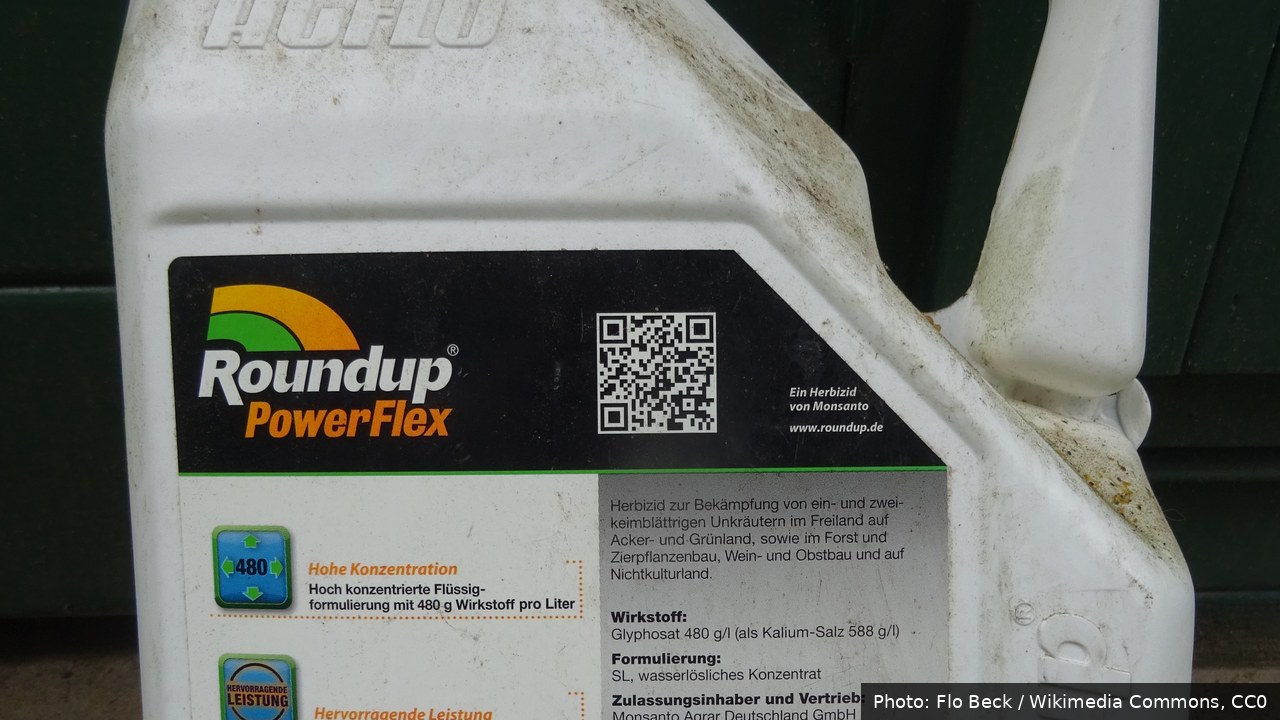
A Missouri judge on Friday, Nov. 20, approved Bayer's proposal to pay as much as $7.25 billion to settle lawsuits from people across the country who say its Roundup weedkiller gave them cancer, the BBC and Bloomberg News reported. St. Louis Circuit Judge Timothy Boyer called the deal “fair, reasonable, and adequate.”
Who it covers. The class settlement covers Roundup users who already have non-Hodgkin lymphoma and people who are diagnosed in the future. Bayer will pay into a fund every year for up to 21 years, according to the BBC. Individual payouts are expected to range from about $10,000 to $165,000, depending on how severe the cancer is, the person's age, how often they used the product and whether they used it on the job or at home, according to the BBC and court records cited by Bloomberg. The deadline to opt out of the class passed on June 4, Bloomberg reported.
How we got here. Bayer inherited the Roundup lawsuits when it bought Monsanto in 2018. Bloomberg Intelligence estimates the number of suits has grown to about 65,000. In June, the U.S. Supreme Court ruled 7-2 that plaintiffs can no longer sue Bayer in state court for failing to put a cancer warning on the label, because federal regulators did not require one, the BBC reported. Bayer says it has already paid about $10 billion on Roundup litigation.
The two sides. “The Court's final approval is a decisive milestone in the company's strategy to mitigate the risks of both pending and future Roundup litigation,” Bayer CEO Bill Anderson said, according to Bloomberg. Christopher Seeger, a court-appointed lawyer for the cancer patients, said the order “delivers guaranteed compensation to Roundup cancer victims who have waited more than a decade for justice.” Not every plaintiffs' lawyer agrees. Roe Frazer said he will likely appeal, and at a September hearing he told the judge, “Even though the $7.25 billion figure looks like a lot of money, it's not enough,” Bloomberg reported.
The science fight. Bayer denies that glyphosate, Roundup's active ingredient, causes cancer. The World Health Organization's cancer research agency called glyphosate a probable human carcinogen in 2015, while the U.S. Environmental Protection Agency says it is unlikely to cause cancer in people. Bayer took glyphosate out of its U.S. lawn-and-garden versions of Roundup in 2023, according to Bloomberg. A Bloomberg Intelligence analyst said the part of the deal covering future claims could be overturned on appeal.
Source: BBC News; Bloomberg News
Photo: Flo Beck / Wikimedia Commons, CC0 (a container of Roundup herbicide, 2020 file photo; cropped and credit added)