
The Cost of the Mueller Investigation and Trump’s Two Impeachments
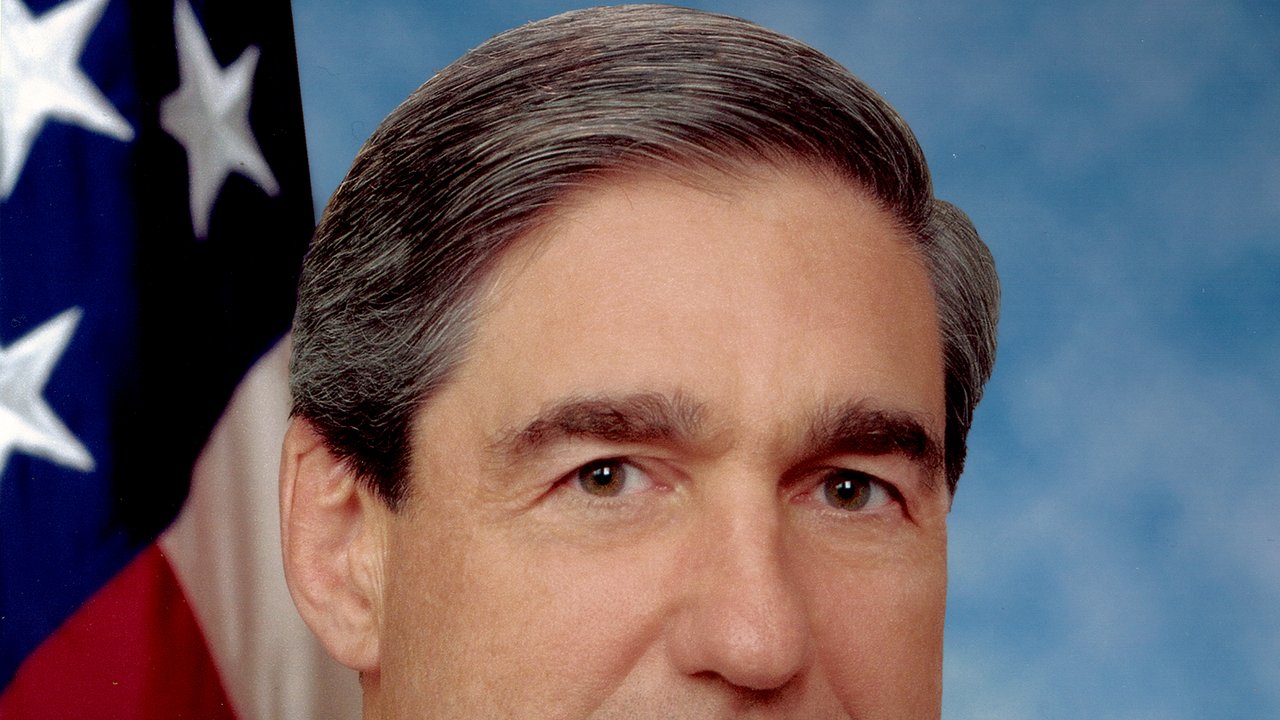
Photo: Federal Bureau of Investigation / Wikimedia Commons, public domain (official portrait of Robert S. Mueller; cropped)
From the desk of Jim McCarty
Including Official Findings on Investigative Failures
Americans often hear large figures thrown around regarding the investigations and impeachments of Donald Trump. Separating documented costs from viral claims requires looking at the official numbers and the most credible independent estimates. This article also examines the official findings of the Department of Justice Inspector General and Special Counsel John Durham regarding serious flaws in the investigative foundation.
1. The Mueller Investigation (2017–2019)
The Special Counsel investigation led by Robert Mueller into Russian interference in the 2016 election and related matters is the one with the clearest public accounting.
According to the final Department of Justice expenditure reports, the total cost was approximately $31.7 million to $32 million. This figure includes both the Special Counsel’s office direct spending (roughly $16 million) and related Justice Department component costs that supported the investigation. The largest single category was salaries and benefits for the team of prosecutors, FBI agents, analysts, and support staff.
For comparison, Independent Counsel Kenneth Starr’s investigation of President Bill Clinton cost more than $50 million in 1990s dollars (well over $80 million in today’s dollars when adjusted). The Mueller probe was therefore expensive, but not an outlier by historical special-counsel standards. Asset forfeitures from defendants such as Paul Manafort later returned tens of millions to the government, partially offsetting the gross cost.
2. First Impeachment (Ukraine, 2019–2020)
There is no official Congressional Budget Office or Government Accountability Office total for the cost of the first impeachment. Multiple independent estimates converge on a much smaller number than the Mueller investigation.
The Heritage Foundation estimated roughly $3.06 million for the House inquiry phase (primarily staff salaries on the Intelligence, Judiciary, and Oversight committees plus limited outside counsel time between late September and mid-December 2019).
Roll Call estimated about $1.83 million for the House inquiry.
A higher-end calculation that simply prorated existing congressional salaries for the period of hearings and votes put the figure around $11–12 million, but this largely reflects money that would have been spent on staff salaries regardless of the subject matter.
The subsequent Senate trial added further costs, but these were not separately itemized in public reports and were relatively modest because the Senate used existing staff, facilities, and security. Viral claims that the first impeachment alone cost $33–40 million appear to have mixed Mueller investigation numbers with the impeachment process; fact-checkers consistently found no evidence supporting those higher figures.
3. Second Impeachment (January 6, 2021)
Even fewer hard numbers exist for the second impeachment. The House voted on a single article on January 13, 2021, and the Senate trial ran only a few days in February. Tax policy analysts and outlets that examined the question concluded that the direct incremental cost to taxpayers was limited—primarily the ordinary operating costs of Congress already budgeted for that period. No credible source has produced a multi-tens-of-millions figure specific to the second impeachment process itself.
It is important not to confuse the cost of the impeachment proceedings with the much larger costs associated with the January 6 Capitol attack and its aftermath. A Government Accountability Office estimate put total costs related to the attack—damage, law enforcement, enhanced security, investigations, etc.—in the range of $2.7 billion. That is a separate category from the formal impeachment and trial.
4. Cost Summary Table
Mueller Investigation: ~$32 million (Official DOJ final tally)
First Impeachment (House): $2–3 million (most cited) (No official total; Heritage / Roll Call estimates)
Second Impeachment: Low / not quantified (Short process; used existing resources)
Combined (Mueller + both): Roughly $35–45 million (Most commonly cited ranges)
5. The Flawed Investigative Foundation
Any discussion of these costs must also address how the probe began and the serious problems later documented in its investigative foundation.
FISA Applications and the Steele Dossier
The most concrete documented failures involve the FBI’s use of the Steele dossier to obtain and renew FISA warrants on Carter Page.
What the official reviews established:
The Steele dossier was opposition research funded by the Clinton campaign and DNC.
The FBI used material from the dossier in the initial FISA application and three renewals targeting Page.
Investigators never corroborated any of the substantive allegations in the dossier.
The FBI’s primary sub-source later told agents that key claims were rumor, hearsay, or exaggerated.
Critical exculpatory or contradictory information was omitted from the FISA applications, and the reliability of Steele and the dossier was overstated to the court.
Durham specifically found that Crossfire Hurricane “did not and could not corroborate any of the substantive allegations” in the Steele reporting, yet the material was still used to support probable cause.
These were not minor paperwork errors. They involved presenting unverified, politically funded information to a secret court while withholding information that undercut it.
Horowitz vs. Durham: Key Differences
Opening of Crossfire Hurricane: Horowitz IG Report (2019): Found the investigation was properly predicated and opened with an authorized purpose Durham Report (2023): Found it should only have been a preliminary investigation; a full investigation was opened on “raw, unanalyzed, and uncorroborated intelligence”
Political bias: Horowitz IG Report (2019): Found no documentary or testimonial evidence that political bias was the cause of the errors Durham Report (2023): Emphasized confirmation bias, lack of analytical rigor, and different standards applied to Trump-related vs. Clinton-related intelligence
Steele dossier / FISA: Horowitz IG Report (2019): Documented 17 significant errors and omissions in the Page FISA applications Durham Report (2023): Went further: stated the FBI could not corroborate any substantive allegation in the dossier and still used it
Overall tone: Horowitz IG Report (2019): Critical of serious process failures but stopped short of calling the investigation illegitimate at its root Durham Report (2023): More sweeping: concluded the FBI and DOJ “failed to uphold their important mission of strict fidelity to the law”
In short, Horowitz catalogued serious, repeated failures in the FISA process and the handling of the dossier. Durham accepted those findings and added a sharper judgment that the entire full investigation was launched and sustained on a weaker foundation than FBI standards required, with confirmation bias playing a significant role.
Key Findings from the Durham Report
Insufficient Predication: The FBI opened a full investigation on “raw, unanalyzed, and uncorroborated intelligence.” At the time, neither U.S. law enforcement nor the Intelligence Community possessed actual evidence of collusion.
Confirmation Bias: Investigators minimized or rationalized away information that undercut the collusion narrative while giving greater weight to supporting information.
Steele Dossier Failures: The investigation “did not and could not corroborate any of the substantive allegations” in the dossier, yet it was used to support FISA applications.
Double Standard: When intelligence suggested a possible Clinton campaign plan to tie Trump to Russia, the FBI did not open any formal inquiry—unlike the aggressive approach taken toward the Trump campaign.
Institutional Failure: Durham concluded that “the Department and the FBI failed to uphold their important mission of strict fidelity to the law.”
6. Conclusion: Flawed Investigations Cost Taxpayers Millions
These process failures were not abstract. They helped sustain investigative activity that carried real costs:
The Mueller Special Counsel investigation, which grew out of Crossfire Hurricane, ultimately cost taxpayers approximately $32 million.
The first Trump impeachment carried estimated incremental costs in the low millions.
The second impeachment was shorter and less expensive, but still consumed congressional time and resources.
When official reviews later determine that a major investigation was opened too aggressively, relied on uncorroborated political opposition research, and contained repeated failures to present accurate information to the FISA court, the roughly $32 million spent on the resulting Special Counsel probe becomes harder to defend as money well spent. The same is true, on a smaller scale, for the congressional impeachment proceedings that followed years of Russia-related investigative activity.
Bottom line: The Horowitz and Durham reports together document that the investigative foundation involved serious errors, overreliance on unverified material, and confirmation bias. Those flawed processes helped generate years of investigative and congressional activity that cost American taxpayers tens of millions of dollars.
Sources: Department of Justice expenditure reports; DOJ Inspector General Michael Horowitz report (December 2019); Special Counsel John Durham report (May 2023); Heritage Foundation, Roll Call, and PolitiFact cost analyses.