FDA Orders Vision-Loss Warning on Ozempic, Wegovy and Other GLP-1 Drugs
The U.S. Food and Drug Administration said Monday it will require makers of every GLP-1 receptor agonist medication to add a warning about a potential increased risk of non-arteritic anterior ischemic optic neuropathy, or NAION, a rare eye condition that can cause sudden, painless loss of vision in one eye, including permanent vision loss.
The requirement covers the entire class of drugs, which are widely prescribed for type 2 diabetes and weight management. The FDA’s list includes Ozempic, Wegovy and Rybelsus (semaglutide), Mounjaro and Zepbound (tirzepatide), Trulicity, Victoza, Saxenda and the newly approved Foundayo. The new information will go in the Warnings and Precautions section of each drug’s labeling.
In its Drug Safety Communication, the agency said it pooled 126 randomized clinical trials involving more than 134,000 patients. It identified 15 probable NAION cases, 10 among patients taking GLP-1 drugs and five among those receiving a placebo. That worked out to 6.4 cases per 100,000 person-years for GLP-1 users, compared with 3.8 for comparison groups.
The FDA also ran a real-world study of adults with type 2 diabetes. It found no statistically significant difference in risk compared with SGLT-2 inhibitors, another common class of diabetes drugs, but did find a higher risk compared with DPP-4 inhibitors. The agency said animal data did not identify a mechanism, and that reports were hard to interpret because NAION risk factors such as diabetes, high blood pressure and sleep apnea are common among people who take these medications.
The FDA described the condition as rare and stressed that the warning reflects a potential increased risk. Patients are told to contact a health care professional right away if they notice sudden vision loss in one eye, often upon waking, blurred or missing areas of vision, color distortion or hazy central vision. Anyone who has had a NAION event should talk with their provider about whether to continue or stop the medication.
Concerns about the side effect have grown since a 2024 study published in JAMA Ophthalmology linked semaglutide to a higher risk, according to Bloomberg. Novo Nordisk said it remains confident in the benefit-risk profile of its drugs, while Eli Lilly said it will stay in close contact with the agency and continue reviewing available data.
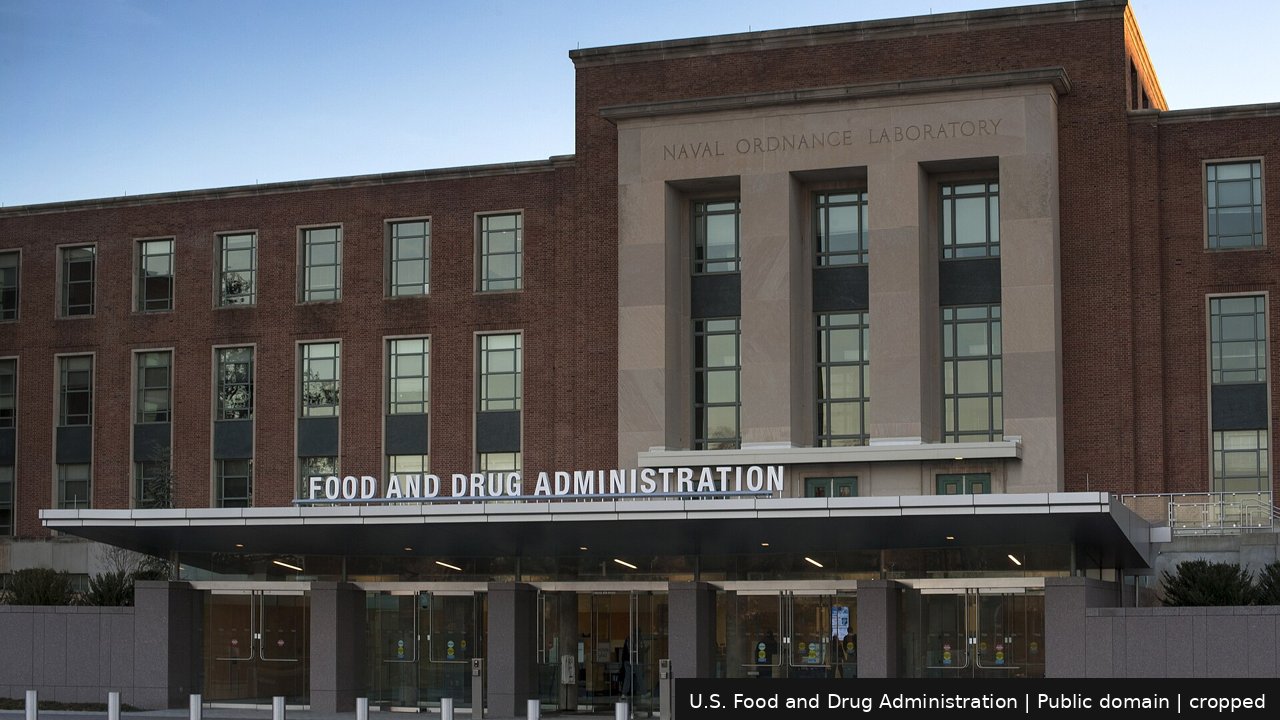
Photo: U.S. Food and Drug Administration, Public domain (file photo; cropped and credit added)
