
U.S. Adds 165,000 Jobs in October as Unemployment Falls to 4.1%
American employers added 165,000 jobs in October and the unemployment rate declined to 4.1%, according to the Bureau of Labor Statistics report released Friday. The figures showed a stronger month for hiring than economists had anticipated, while revisions also lifted employment estimates for late summer.
CNBC reported that the payroll increase exceeded a Dow Jones forecast of 59,000 jobs. September employment growth was revised to 60,000 from 29,000, while August was raised to 186,000 from 133,000. Together, those adjustments added 84,000 jobs to the previously reported totals for the two months.
Professional and business services led October gains with 70,000 additional positions. Health care added 42,000 jobs, transportation and warehousing gained 25,000, and manufacturing increased employment by 19,000. The distribution of gains offered evidence of hiring beyond health care, which had been a major source of employment growth.
Average hourly earnings rose 0.4% during the month and were 3.1% higher than a year earlier. The average workweek remained at 34.4 hours. Those national averages describe broad conditions rather than the experience of every worker or industry, and a rise in nominal pay does not by itself establish an improvement in purchasing power.
The labor force participation rate edged up to 61.9%, and the civilian labor force expanded by 421,000. The separate household survey, which is used to calculate unemployment, showed 463,000 more people employed. Payroll employment and household employment come from different surveys and measure the labor market in different ways.
Other measures were less encouraging. A broader gauge that includes discouraged workers and people working part time for economic reasons rose to 7.9%, an increase of 0.3 percentage point. The average duration of unemployment climbed to 27.1 weeks, and nearly 1.96 million people had been unemployed for more than 27 weeks.
The report gives Federal Reserve policymakers another set of data as they assess employment alongside inflation. It shows stronger hiring, but the increase in longer job searches underscores that a lower headline unemployment rate does not mean every job seeker is finding work quickly.
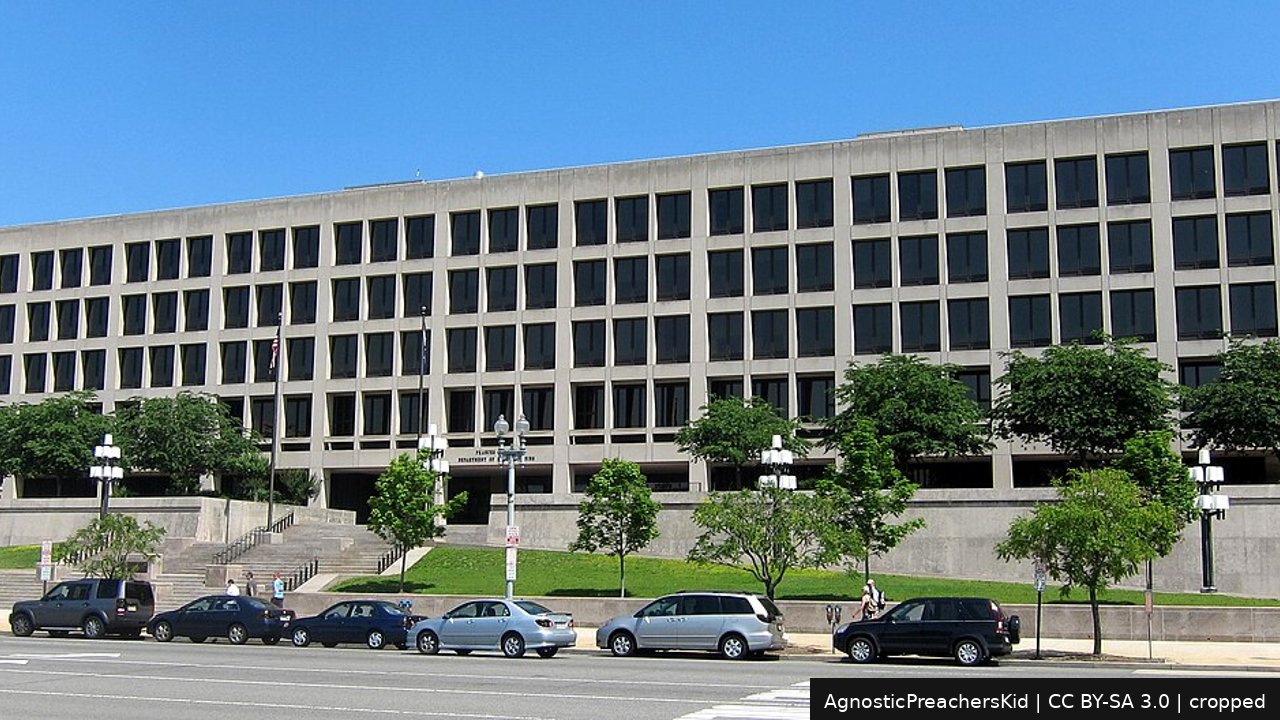
Photo: AgnosticPreachersKid, CC BY-SA 3.0 (file photo; cropped and credit added)

Source: https://www.cnbc.com/2026/11/06/jobs-report-october-2026.html