
After Midterm Defeat, Trump Tours White House Ballroom as Democrats Pledge Oversight
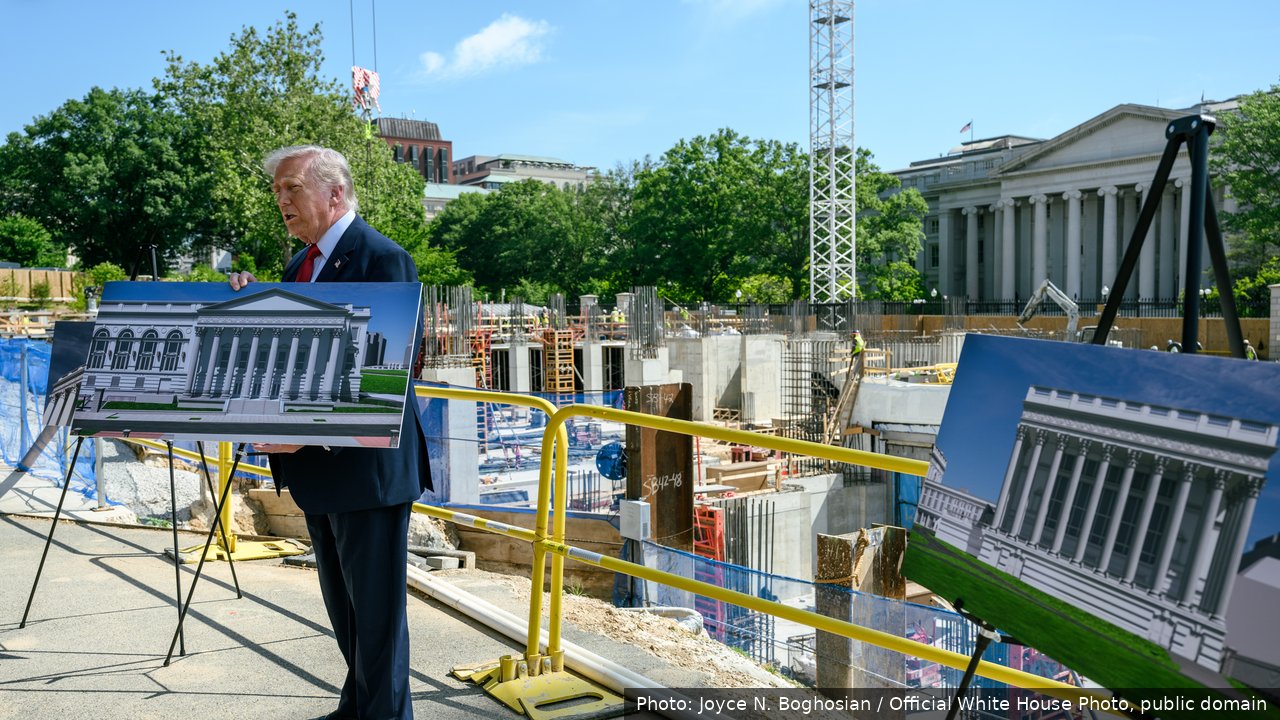
President Donald Trump’s first public appearance after Tuesday’s midterm elections was not a policy speech or a campaign autopsy. On Wednesday morning he invited reporters to walk through the White House ballroom still under construction, casting the renovation as a point of pride even as Democrats celebrated taking control of both chambers of Congress.
According to Reuters, Democrats flipped enough seats to claim a Senate majority of at least 54-44, with races in Alaska and Mississippi still uncalled, and gained at least 28 House seats. The Associated Press and other outlets described the results as a broad repudiation of the president and the Republican majority that had controlled Capitol Hill. Voters interviewed in post-election coverage repeatedly pointed to high living costs and the ongoing war with Iran as reasons they broke from the party that Trump had urged them to treat as a referendum on his second term.
House Democratic Leader Hakeem Jeffries told reporters that the incoming majority would focus on affordability and accountability. “We don’t work for Donald Trump,” Jeffries said, adding that the House would no longer function as what he called a wholly owned subsidiary of the administration. Democratic leaders signaled they intend to use committee gavels and subpoena power to scrutinize the White House once the new Congress is seated in January.
Trump spent nearly an hour showing off the ballroom project, telling reporters that criticism of White House renovations misses the point. “When I get criticized, like, ‘Why are you working on the White House?’ I’m doing it because the White House is the ultimate symbol of America, and it’s got to be pristine, it’s got to be perfect,” he said, according to Reuters. “For me it’s relaxing.” He briefly addressed the election results, saying he would “get along probably with the Democrats, unless they want to be destructive,” while reminding them he retains veto power.
The defeat also scrambled Republican House leadership. House Speaker Mike Johnson said he will not continue leading his caucus next year, leaving the minority party to choose new floor leadership for the final two years of Trump’s term. Until January, Republicans still control the lame-duck session and must pass funding to keep the federal government operating past December, giving them a narrow window to advance priorities before Democrats take the gavels.
Vice President JD Vance publicly blamed the Iran conflict for the losses, writing that the president himself had acknowledged the war’s political cost. Trump stood by the decision even as he conceded it had hurt his party at the polls. For Democrats, the dual-chamber majority opens two years of agenda-setting power — and the prospect of legislative gridlock whenever the White House and Capitol Hill cannot agree.
Photo: Joyce N. Boghosian / Official White House Photo, public domain